Complete Septic System Installation for Rural Properties
Septic tanks and drainfields in Great Falls for properties without access to municipal sewer and requiring independent wastewater management
Apple Valley Backhoe Service installs and services septic systems and drainfields for homes and buildings across Great Falls and the surrounding rural corridor. When municipal sewer lines don't reach your property, a properly sized and installed septic system handles all household wastewater, from toilets and showers to kitchen and laundry drains. The tank separates solids from liquids, and the drainfield disperses treated effluent into the soil, where natural filtration completes the process.
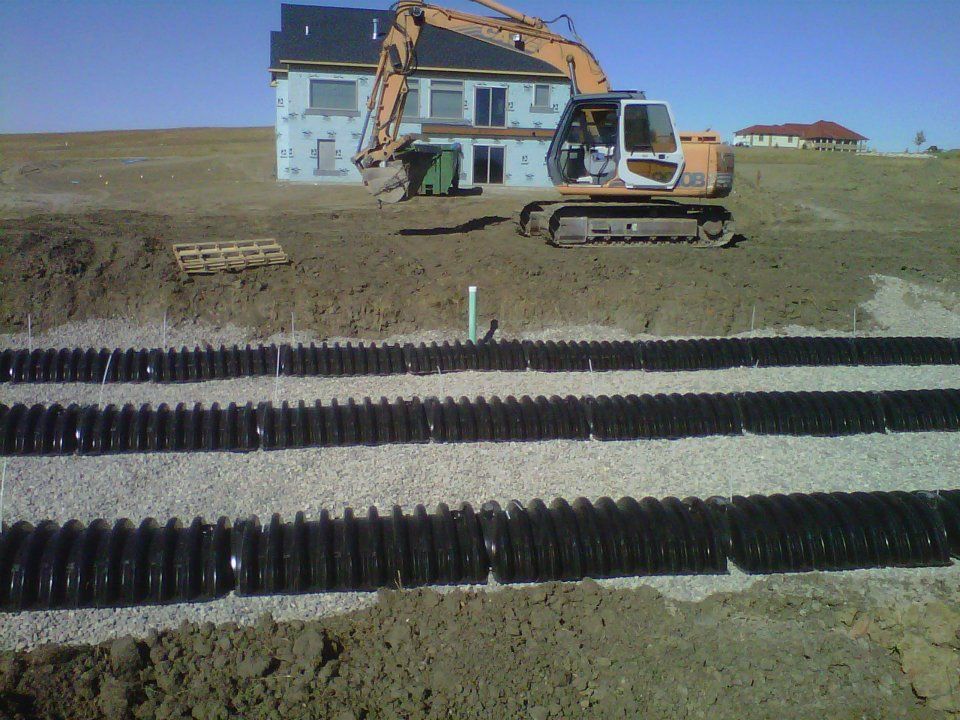
A septic installation involves site evaluation, tank placement, drainfield layout, and connection to the home's plumbing. Montana's freeze depths and soil percolation rates determine how deep the tank sits and how much drainfield area you need. The crew excavates the tank pit, sets the concrete tank on a stable base, backfills around it, and then trenches the drainfield lines to distribute effluent evenly across the absorption area. Proper grading and compaction ensure the system drains correctly and doesn't settle or shift over time.
If you're planning new construction or replacing a failing system, reach out to discuss site conditions, capacity requirements, and permitting for your septic installation.
What Happens During Septic System Installation
The installation starts with a percolation test to confirm the soil can absorb the expected wastewater volume. Once the site is approved, the crew excavates the tank location and drainfield trenches, sets the tank, and installs perforated distribution pipes in gravel-filled trenches. The tank receives waste from the house, and gravity or a pump moves clarified liquid into the drainfield, where it filters through soil layers before rejoining groundwater.
After the system is complete, you'll notice that all drains in the house function normally, toilets flush without backup, and there's no odor or pooling around the drainfield area. Apple Valley Backhoe Service handles both new installations and full replacements, coordinating excavation, tank delivery, and drainfield construction in one mobilization. The result is a wastewater system that operates quietly and reliably for decades when maintained according to local guidelines.
Regular pumping every few years keeps solids from migrating into the drainfield and clogging the soil. The service also includes replacing damaged tanks, adding capacity for home expansions, and installing risers for easier access. Systems designed and installed to match your household size and soil conditions avoid the early failures and costly repairs common with undersized or poorly sited setups.
Questions About Septic Systems and Drainfield Work
Homeowners in Great Falls often ask how septic systems work in Montana's climate and what maintenance they should expect. Here are answers to the most common concerns.
What size septic tank do you need for a typical household?
Tank capacity depends on bedroom count and daily water use, with most residential systems using tanks between 1,000 and 1,500 gallons to handle normal flow without frequent pumping.
How does cold weather affect septic system performance?
Properly installed systems in Great Falls sit below frost depth, and active wastewater flow generates enough heat to prevent freezing in the tank and drainfield lines during winter.
When should you replace an existing septic system?
Persistent backups, slow drains, soggy ground above the drainfield, or foul odors near the tank indicate the system is failing and needs replacement rather than just pumping or minor repairs.
Why do drainfields fail over time?
Solids escaping the tank clog soil pores in the drainfield, reducing absorption capacity and causing effluent to surface or back up into the house, which requires new drainfield trenches or a complete system redesign.
What permits are required for septic installation in Great Falls?
Local health departments review site plans, percolation test results, and system design before issuing permits, and final inspections confirm the installation meets code requirements.
Apple Valley Backhoe Service manages the entire process from site evaluation through final inspection, ensuring your septic system meets local codes and operates reliably for your household. Call (406) 454-0332 to schedule a septic consultation and receive a detailed project proposal.